How to Build a Read-Aloud Habit That Fits Family Life
Build a flexible family read-aloud routine with accessible books, child choice and room for conversation. Start small and keep shared reading enjoyable beyond the first years.
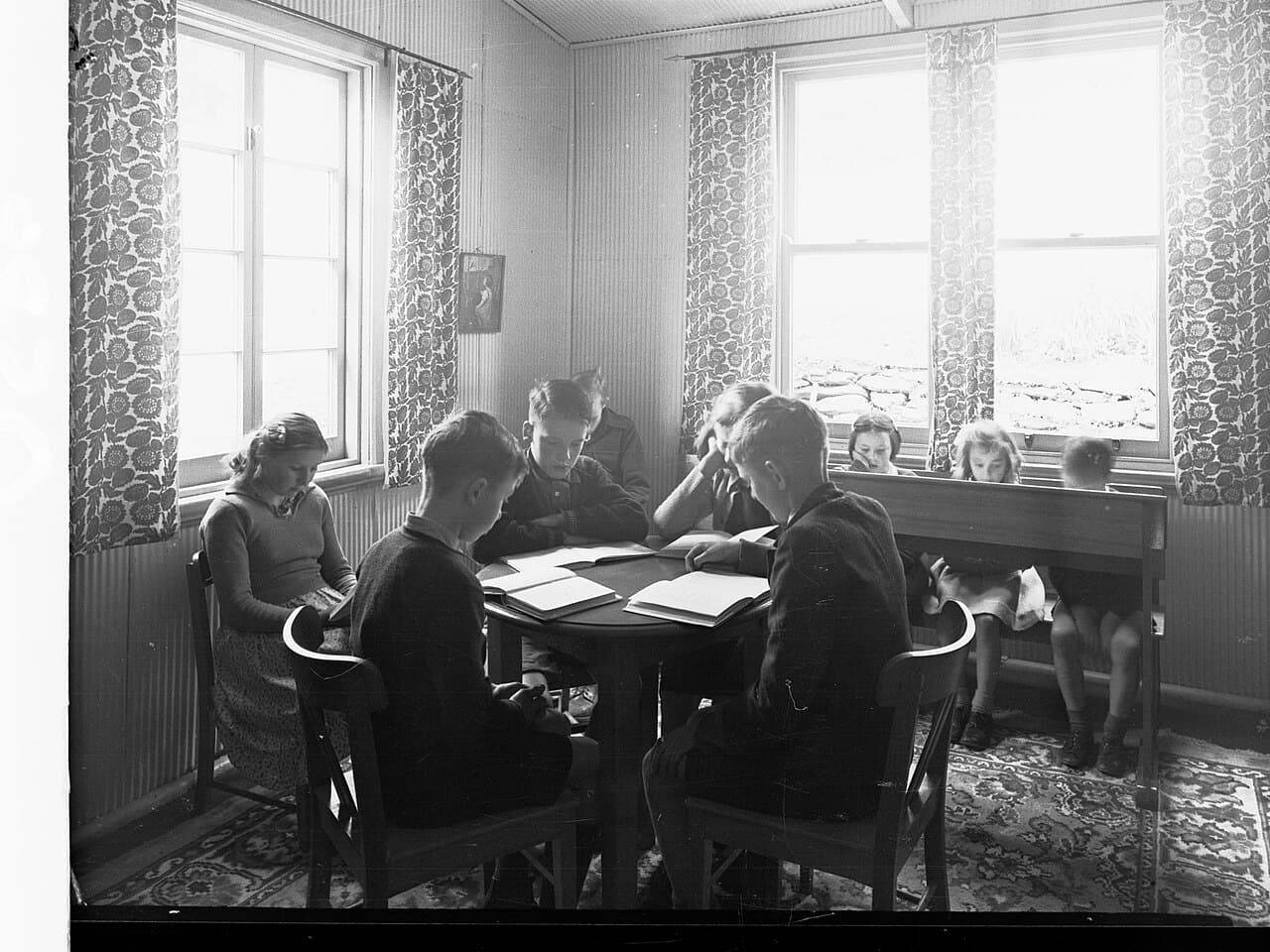
Reading aloud works best as time together, not another household task that must be performed perfectly. A short, familiar book can be enough to begin. The useful ingredients are access, a moment that fits the family and permission to talk about what is on the page. Start small, let interests guide some choices and build a routine that survives ordinary interruptions rather than depending on a flawless bedtime.
Choose a moment that already exists
Bedtime is familiar, but it is not the only possible place for reading. A quiet afternoon pause or another predictable moment may fit better. Look at the actual day and choose a time when the adult and child can share attention without repeatedly rushing toward something else.
Keep the first commitment modest. A few pages or one short book is a recognizable start. If the child wants to continue and time allows, continue; if not, the session can end without being judged inadequate. The purpose of a cue is to make reading easier to remember, not to create a rigid quota.
Put suitable books within reach
A routine is easier when finding the book does not become a separate project. Keep a small accessible selection in an appropriate place and use libraries or other available sources to refresh it. Include books that fit the child's interests and needs rather than choosing only what an adult believes should be impressive.
Reading Rockets encourages age-appropriate choices and opportunities for children to choose. That does not require unlimited choice at every session. Offering two suitable options can be enough. If the same favorite wins repeatedly, repetition is not proof that the child is refusing to learn; familiarity can be part of the pleasure.
Let pictures share the storytelling
Pause to notice an illustration, an expression or a detail that connects to the story. A child may point to something the adult did not mention. That observation can become part of the shared reading rather than an interruption to be corrected. The words and images can both contribute to understanding.
Wordless picture books can also support a conversation. Describe what seems to be happening and let the child offer a possibility. There does not need to be one polished performance from the adult. The activity can be an exploration of the page, with room to revise an idea when the next image changes the scene.
Ask questions without making a quiz
What do you notice? or What might happen next? can invite discussion. Use questions sparingly and respond to the child's actual interest. Repeatedly stopping to test recall can change the feeling from sharing a story to being assessed. Some passages are best enjoyed without an immediate question.
You can offer your own observation too. A brief comment about an illustration or a surprising event models attention without demanding an answer. Reading Rockets describes read-aloud time as an interactive conversation. Conversation includes listening and pauses, not only asking an increasingly long sequence of adult questions.
A little expression is enough
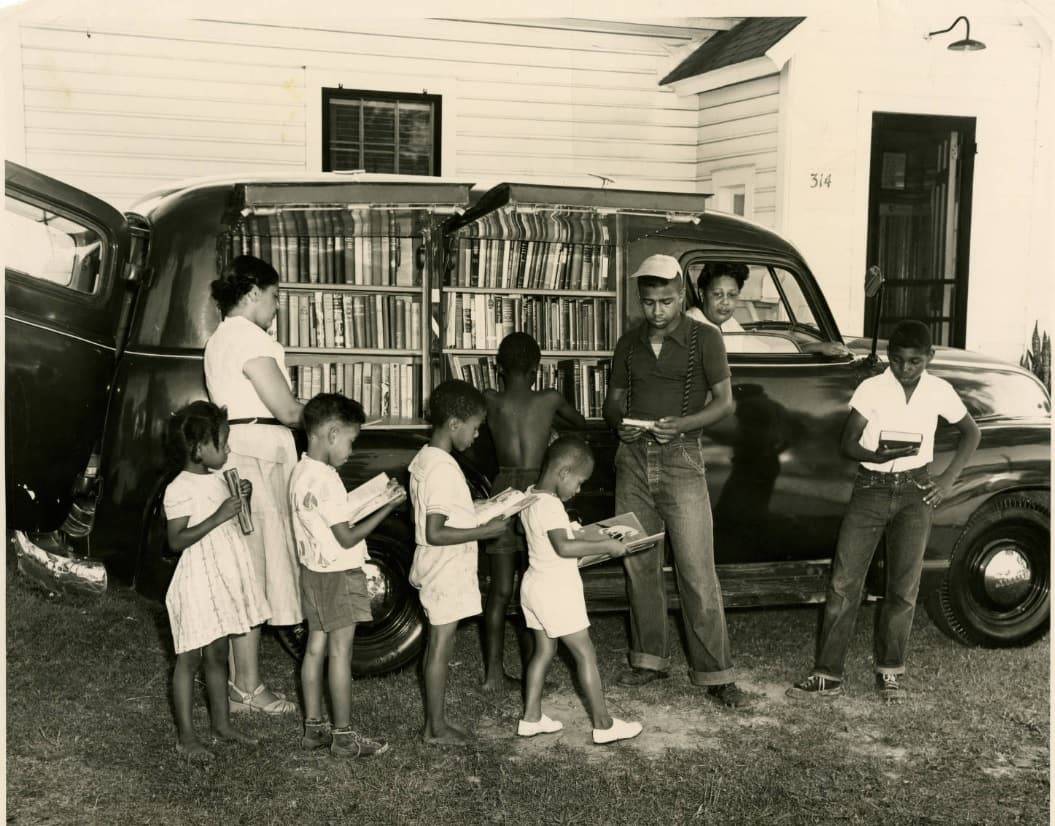
Varying pace or voice can make a scene clear, but a parent or caregiver does not need professional acting skills. Read comfortably and let the text guide changes. If a character voice makes the adult self-conscious or harder to understand, leave it out. Clear, engaged reading is useful without an elaborate performance.
If the family enjoys performers and stories, our feature on Julie Andrews’ creative career offers another route into the subject. It is a reminder of the range storytelling can take, not a standard every family reading session must match. The child is sharing time with you, not auditioning you for a stage role.
Keep reading as abilities change
Independent reading does not have to end shared reading. Reading Rockets explicitly encourages continuing to read aloud after children can read on their own. A shared book can provide a conversation, introduce a different kind of story or simply remain a comfortable family activity.
Adjust the choice and arrangement as interests change. An older child may prefer a chapter, a poem or a short piece of nonfiction. Ask rather than assuming the old format must continue unchanged. A habit can keep its central purpose while changing its length, timing and material.
Make room for different needs and languages
Families differ in language, hearing, vision, attention and access. Choose formats and supports that work for the participants, and seek appropriate library or professional guidance when needed. Sharing a story in a language the caregiver uses comfortably can be more engaging than struggling through a supposed ideal format.
Do not treat movement or a short attention span as an automatic reason to abandon books. Adapt the setting and expectations to the child. If you have concerns about development or reading, use qualified support rather than trying to diagnose the issue from how one session went.
Return without trying to recover every missed day
Illness, travel and ordinary disruption can interrupt a routine. Resume with a suitable book rather than adding extra sessions as a debt to repay. If the chosen time repeatedly fails, change it. A routine is a tool for the family, and the pattern should be judged by whether it makes shared reading more possible.
Keep the first steps simple: a reachable book, a realistic moment and attention to the person beside you. Reading aloud can grow through repeated enjoyment and conversation. It does not need a perfect performance or a record-breaking streak to become a meaningful part of family life.