Julie Andrews: Voice, Storytelling and a Long Creative Career
Julie Andrews’ creative career spans stage, film, television and children’s books. Explore the roles and collaborations that connect her familiar voice with a wider storytelling life.
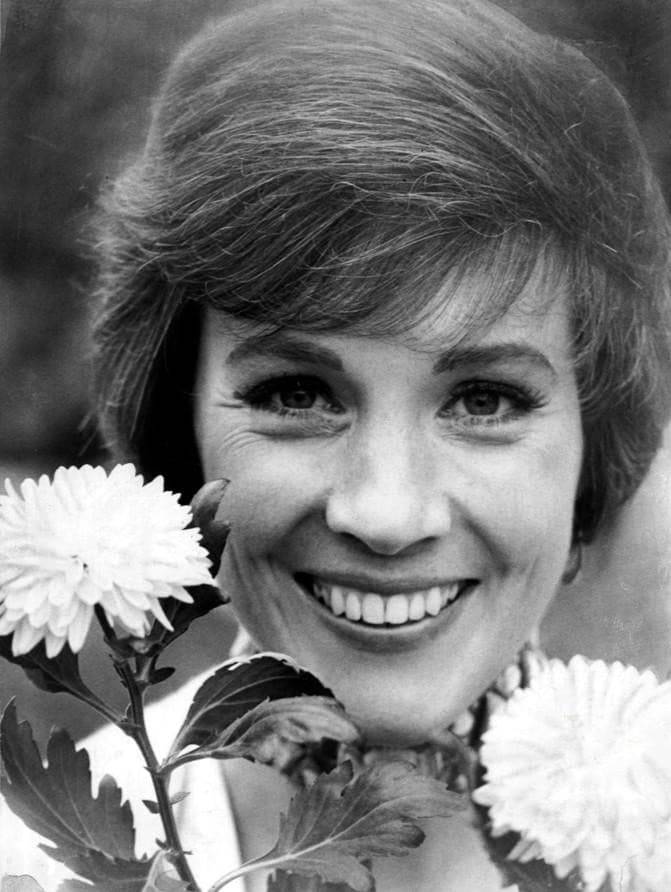
For many viewers, Julie Andrews first arrives as a voice within a familiar film. A song becomes attached to childhood, a character becomes part of family viewing and the performer seems inseparable from the role. Her career is much wider than that first encounter. Stage work, screen performance, television and books provide different forms of storytelling, with collaborations connecting several generations of creative work.
The stage came before the famous films
Andrews' official biography describes a childhood in British variety performance and a later Broadway career that included The Boy Friend, My Fair Lady and Camelot. Those credits establish a working history before the screen roles that many people know best. The familiar movie image did not appear without an earlier performing life.
Stage and film provide different conditions. A live performance unfolds for an audience in the room, while a film is shaped through camera placement, editing and repeated takes. The biography supplies the chronology; considering the different media helps explain why moving between them involves more than changing the location of the same job.
Mary Poppins became a defining screen introduction
Andrews made her motion-picture debut in Mary Poppins, and the Academy records her Best Actress win at the 1965 ceremony honoring films released in 1964. Keeping the release year and award year separate avoids a common small confusion. The award recognizes a particular performance within a career, not the entire career compressed into one event.
The role remains a useful entry point because voice, character and physical presentation are closely connected. When revisiting it, notice the relationship between spoken delivery and song. A musical number does not exist outside the story simply because its melody is familiar; it also contributes to how the character occupies the scene.
A voice can be recognizable without every role being the same
Recognition can create a shortcut in an audience's expectations. A familiar voice may suggest a particular kind of character before the scene has developed. Yet different roles ask for different choices in emphasis, timing and interaction. The useful question is what the performer does within this scene, not only whether the sound is immediately identifiable.
That approach makes family favorites more rewarding for adults too. Instead of repeating that the singing is beautiful, listen to how a phrase communicates information or responds to another character. The musical quality and dramatic purpose can be appreciated together without turning the viewing into a technical lesson.
The career continued across formats
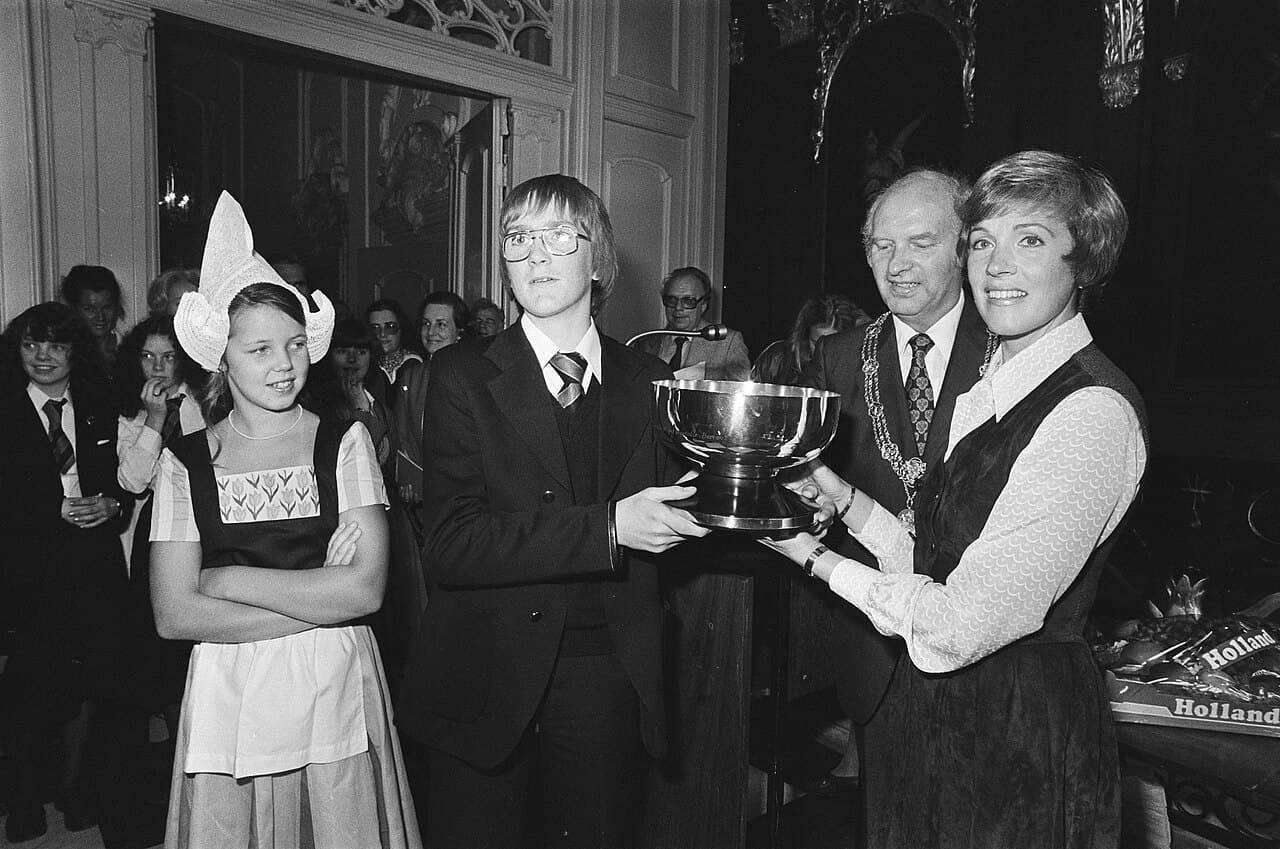
The official biography includes television variety work, later films and work for younger audiences in other forms. It also records Julie's Greenroom, created with Emma Walton Hamilton for Netflix in 2017 and co-produced by the Jim Henson Company. The range is part of the story: the performer did not remain confined to one image from an earlier decade.
Avoid treating each new format as a surprising exception to the real career. A long creative life can include several kinds of work, each with its own collaborators and audience. The continuity may lie in storytelling and performance rather than in repeating the same role or preserving one fixed public persona.
Writing opened another storytelling space
Andrews' books include Mandy and The Last of the Really Great Whangdoodles, while her collaboration with her daughter Emma Walton Hamilton includes books for young readers. The Julie Andrews Collection describes a mother-daughter author and editorial team. That gives the publishing work a specific structure rather than treating it as a celebrity name added to an unspecified project.
Books create a different relationship with an audience. A reader can pause, return or imagine a scene without the timing of a filmed performance. Illustrators, editors and other contributors also help shape the experience. Looking at the credits gives those people a place within the object a family actually holds and reads.
A family can explore the work in small pieces
There is no need for a complete career survey. Choose an age-appropriate film, a suitable book or a short conversation about how a story changes between forms. Ask what the child notices rather than expecting a particular answer. A familiar performer can become a route into curiosity about music, acting and books.
Our read-aloud guide offers a practical way to make a book part of ordinary family time. The connection is not that a famous author's name makes every title suitable for every child. Interests, age, access and the specific book still matter. Read the description and choose the work that fits.
Appreciation can grow beyond nostalgia
Nostalgia is a reasonable reason to revisit a film, but it need not be the only one. An adult may notice the craft of a scene, the history of a stage role or the collaboration behind a book that was invisible during childhood. New attention can coexist with an old affection.
Use reliable biographies and credits to keep the chronology clear, and leave invented backstage dialogue out of the story. The documented work already supplies a substantial route through several media. A career becomes more interesting when specific projects replace a vague list of qualities.
Julie Andrews' familiar voice is therefore a beginning rather than a boundary. Follow it into stage performance, film, television and publishing, and a broader creative history appears. The roles may bring families back first, while the work and collaborations offer reasons to keep exploring.