How to Make a Family Nature Walk More Interesting
Make a family nature walk engaging with a short route, simple observation prompts and room for children’s questions. Plan for access, weather and respectful wildlife watching.
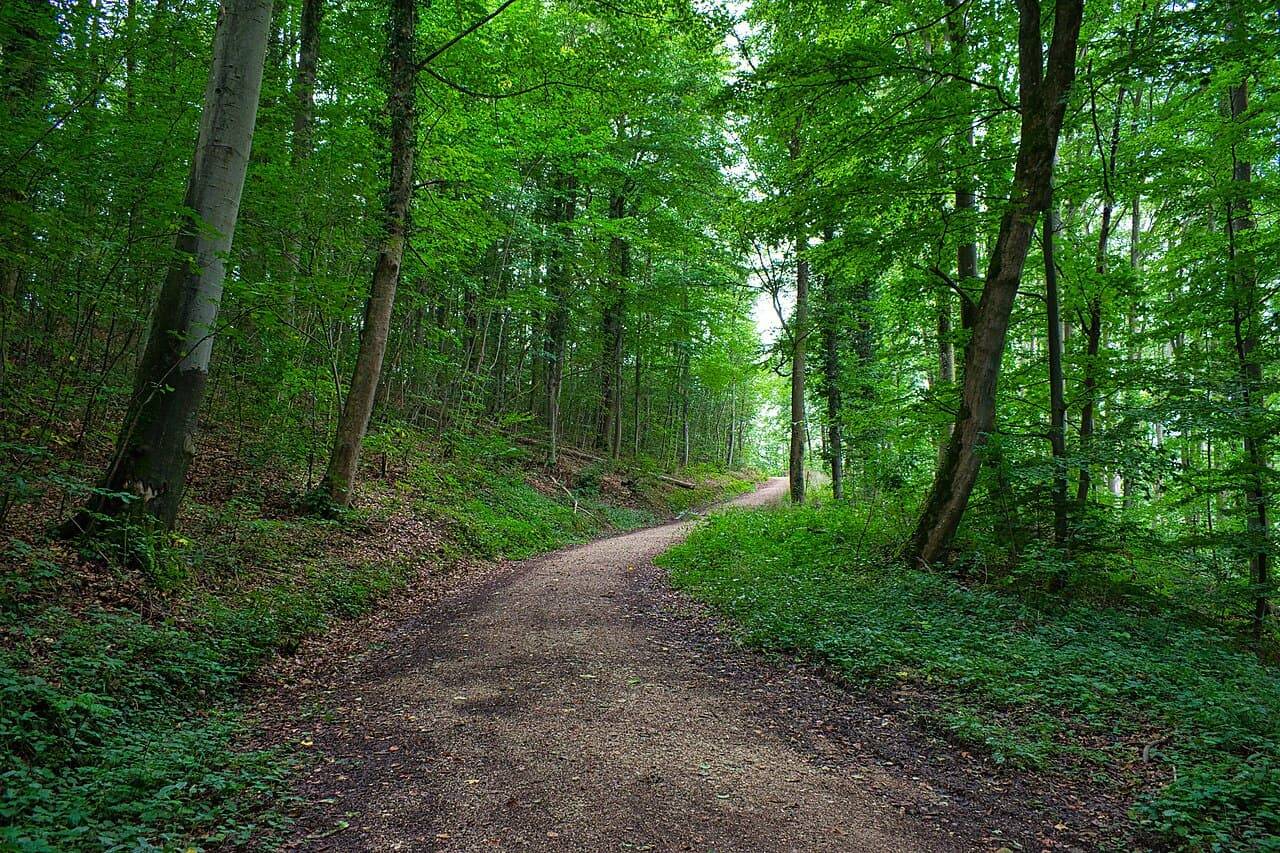
A family nature walk does not need a rare bird, a distant summit or a long checklist to be interesting. A familiar path can provide enough variety if there is time to notice it. Start with a route that suits the group, offer one or two simple observation ideas and leave space for a child's own discoveries. The aim is an enjoyable shared outing, not a test of how much wildlife everyone can name.
Choose the route before choosing the activities
Check distance, surface, access, toilets and the possibility of turning back. Consider the youngest participant, mobility needs and the amount of time available. A short route with options is often easier to adapt than a long loop whose only exit is the starting point. Use current information from the land manager when visiting a park or reserve.
Plan around conditions rather than the photograph you hope to take. Check weather and local notices, bring appropriate water, snacks and clothing, and follow the site's rules. National Park Service guidance for family hikes emphasizes practical preparation and a child's perspective. A manageable outing leaves more attention available for observation.
Offer one small mission
Choose a prompt simple enough to remember: find three different leaf shapes, listen for two distinct sounds or notice where sunlight and shade meet. The mission should guide attention without requiring anyone to collect objects, leave the path or approach wildlife. Adjust it to the season and the actual place.
Do not add more prompts every few minutes because the first one seems too easy. A child may want to look at one ordinary thing for longer than expected. Let that interest shape the pace where it is safe. The walk is still working if the planned bird search becomes a careful look at bark.
Describe before trying to identify
Ask what the group can observe: color, shape, texture, movement or location. A description can be useful even when nobody knows the species. A small bird with a pale underside near the hedge is a better starting point than an invented confident name. You can look up an identification later if the interest continues.
Make uncertainty ordinary. I do not know yet can open a question rather than end it. Avoid turning the adult into a constant quizmaster who already holds every answer. Children can contribute observations the adult missed, especially when they are allowed to look at the scene from their own height and angle.
Use quiet moments as an activity
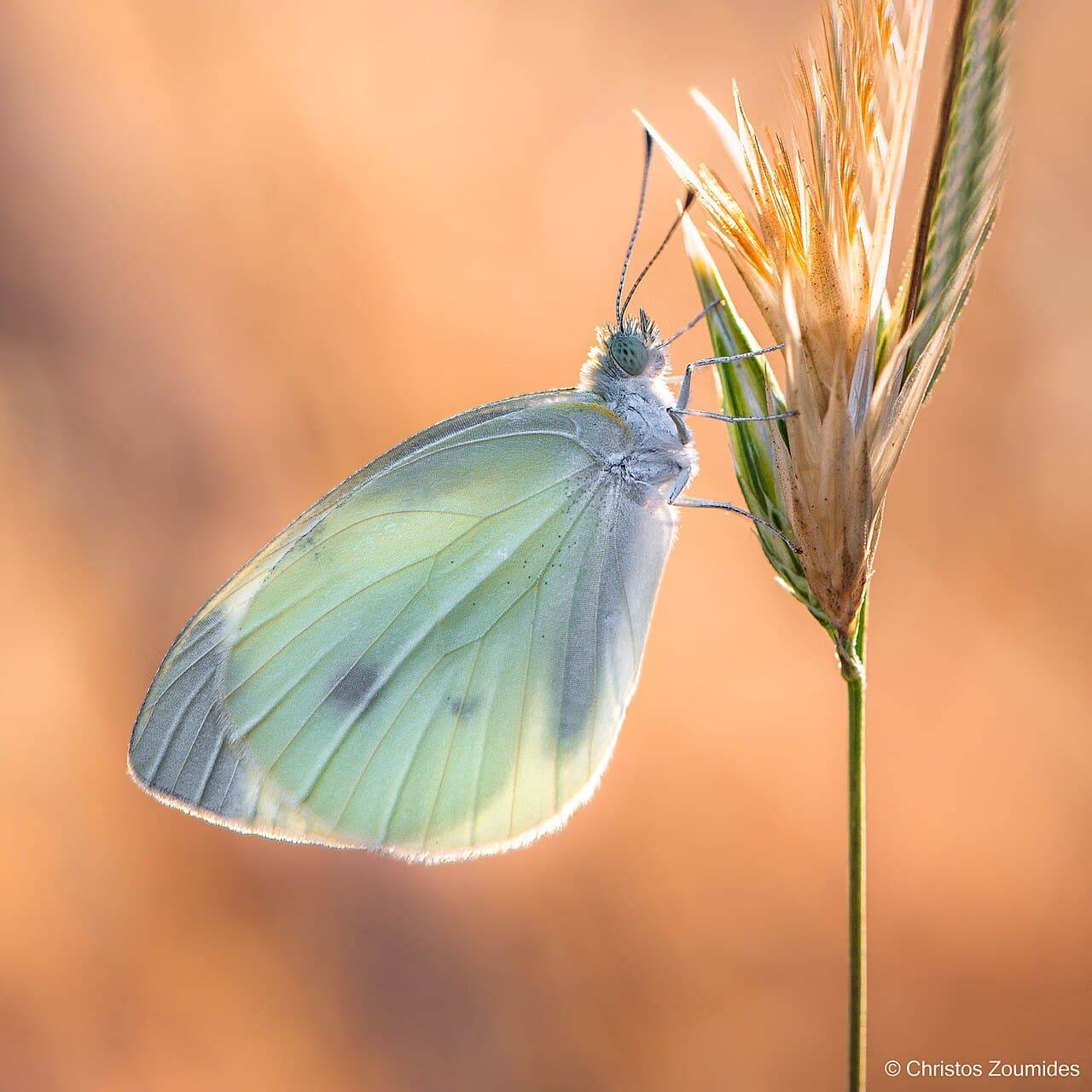
At a suitable safe stopping place, spend a brief moment listening. Ask whether the sounds are close or distant, continuous or intermittent. Keep eyes open if that is more comfortable or appropriate to the setting. The exercise should remain flexible and supervised, not depend on everyone standing perfectly still with eyes shut.
Then compare impressions. One person may have noticed wind while another heard footsteps or a bird. Different answers do not need to compete. The point is that attention selects from a busy environment. A short pause can make an ordinary path feel different without adding equipment or a complicated game.
Leave the place intact
Follow the land manager's rules about paths, plants and collection. The National Park Service advises leaving natural objects and artifacts where they are and observing wildlife from an appropriate distance. A discovery does not have to become a souvenir to count. A sketch or suitable photograph can preserve the memory without removing the object.
Do not feed, follow or handle wildlife to make the outing more exciting. Avoid playing animal calls to obtain a response. If an animal changes its behavior because of your presence, give it more space and follow local guidance. Respectful observation teaches a useful boundary alongside curiosity: interest does not create a right to interfere.
Bring a notebook only if it helps
A small notebook can hold a sketch, a few words or a question for later. It does not need to become a field report completed at every stop. Some children enjoy drawing; others prefer talking or simply looking. Offer a tool without making it a condition of participating in the walk.
If using a phone for photographs or identification, keep attention on footing and supervision. Do not rely on an app's guess to decide that a plant is edible or safe to touch. Identification and safety require appropriate knowledge, and an ordinary nature walk should not become a tasting experiment.
Finish while the outing is still manageable
Watch for tiredness, discomfort and changing conditions. Turning back early can be a sensible decision rather than a failed expedition. Leave enough time and energy for the return route, and make any necessary breaks part of the plan. A child who needs a snack is not refusing to appreciate nature.
At the end, ask for one remembered detail. It might be a sound, a shape or something funny that happened along the way. If the group wants more, a suitable read-aloud book can continue the subject later. There is no requirement to add a follow-up activity to make the walk worthwhile.
The most engaging family nature walk often combines modest preparation with unhurried attention. Choose a suitable route, give curiosity a small starting point and respond to what the group actually notices. A familiar place can become interesting without being transformed into a competition, a lesson plan or a search for something spectacular.