Mister Rogers and the Craft of Taking Children Seriously
Fred Rogers built a television world around children’s feelings and curiosity. Explore the music, puppets and deliberate presentation behind Mister Rogers’ Neighborhood.
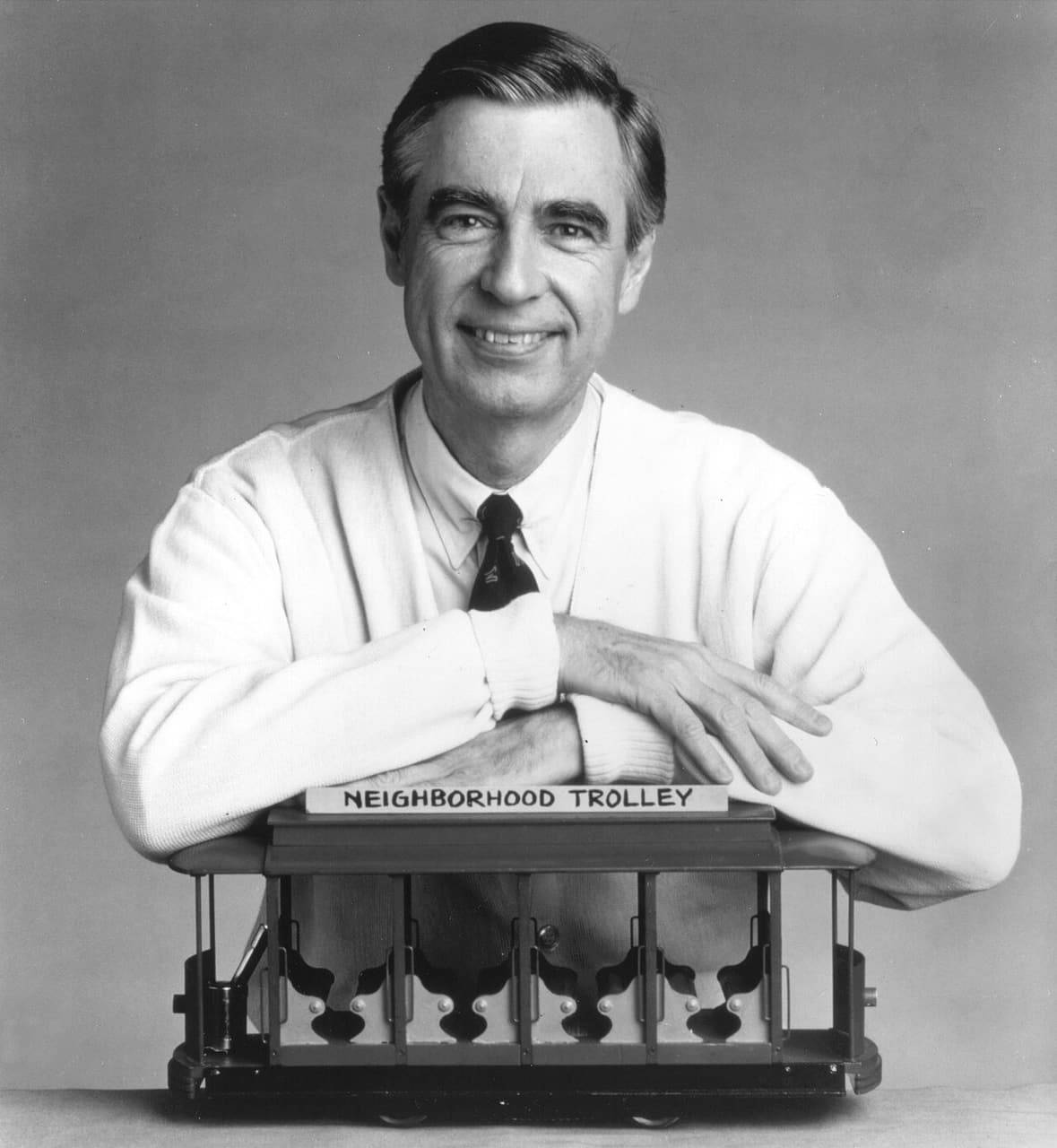
Mister Rogers' Neighborhood is easy to remember through its familiar objects: the cardigan, the shoes and the small world of puppets. Its more substantial achievement was a way of addressing children as people whose questions and feelings deserved attention. The program's gentleness was not an absence of craft. Music, repetition, make-believe and a deliberate presentation worked together to make a recognizable television experience.
A long-running program had a consistent center
Fred Rogers Productions records the national run of Mister Rogers' Neighborhood from 1968 to 2001. It identifies Rogers as creator, host, composer and puppeteer. Those roles place him within the making of the program, not only in front of its camera. The familiar presence was connected to several kinds of creative work.
The longevity matters because the approach was sustained across many episodes. A recurring format gave the program a framework within which different subjects could be explored. For an adult returning to it, the consistency may feel nostalgic. For a child encountering an episode, the same framework can simply provide a clear way into what is happening.
Pace can be a deliberate choice
A quiet presentation invites a different kind of attention from a rapid sequence of changes. When watching an episode, notice how an action is allowed to become understandable. A person arrives, an object is examined or a question is considered. The interest may lie in following the process rather than waiting for a dramatic surprise.
This is an observation about the viewing experience, not a claim that every child responds identically or that one television pace is universally correct. The useful point is that slowness can be constructed. A scene that looks simple may depend on decisions about language, duration and the order in which information is introduced.
Make-believe provided another route into feelings
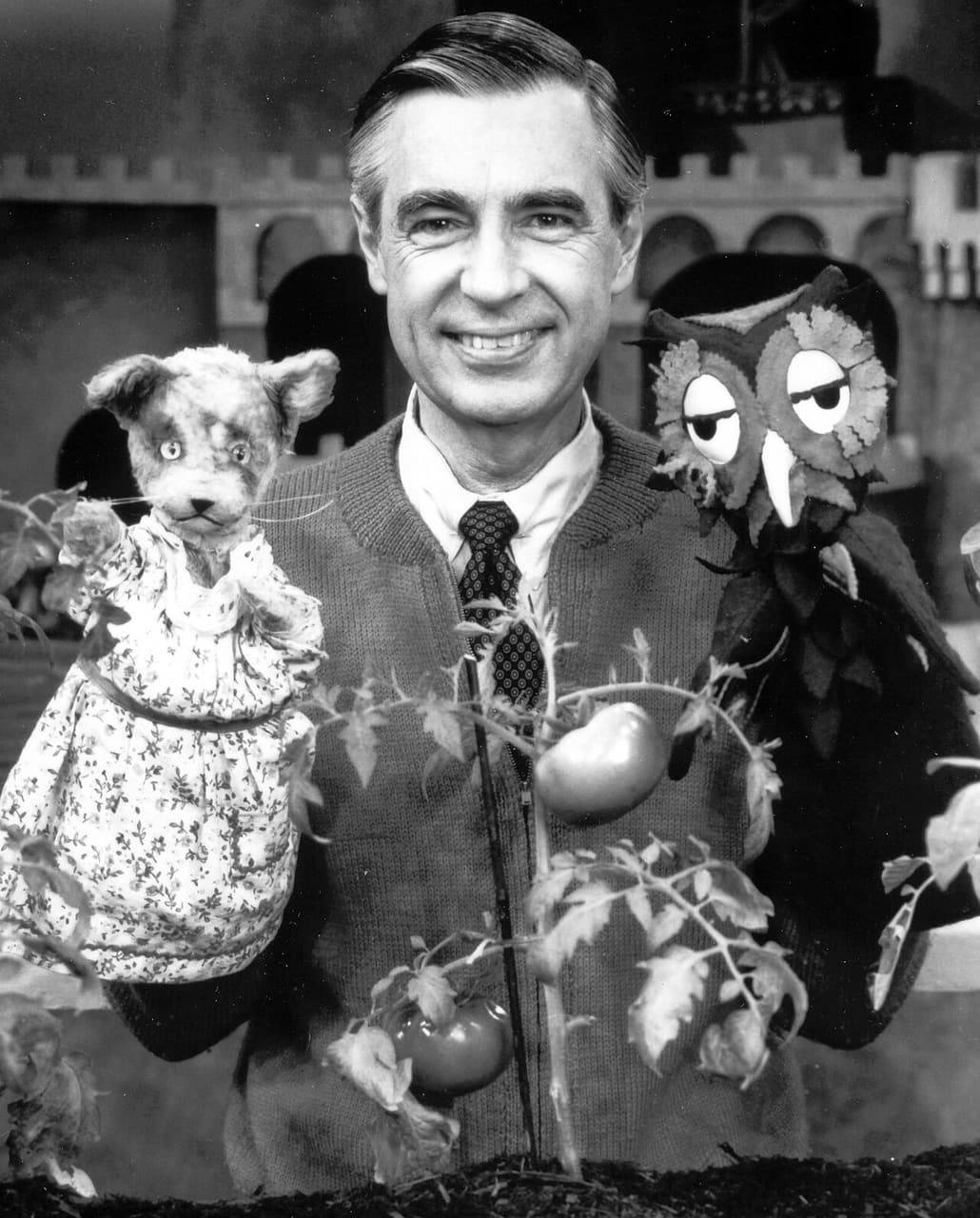
The official puppet material describes the Neighborhood of Make-Believe as a place where characters express real-life feelings while learning with others. Daniel Striped Tiger, King Friday XIII and Lady Elaine Fairchilde have distinct roles and dispositions. Their differences give the imagined world more than one emotional position.
A puppet can make a question visible without pretending the character is a real child. The viewer can follow an interaction at a slight imaginative distance. That does not mean a puppet scene supplies a clinical solution to a problem. It means storytelling offers a way to consider an experience through characters and situations.
Music was part of the language
Fred Rogers Productions credits Rogers with composing more than 200 songs for the series. That is a substantial body of work within a program often remembered primarily through its host's manner. Songs can give an idea a repeated form and connect an episode's feeling with a recognizable musical phrase.
Listen for the role a song plays rather than treating every musical moment as decoration. Does it introduce a theme, return to an earlier thought or allow a feeling to be stated differently? No lyric needs to be reproduced to notice the structure. The relationship between music and the surrounding scene can explain part of the program's coherence.
The ordinary world remained worth exploring
One appealing way to watch the program is to notice how it grants attention to things adults might rush past. A process, a person doing a job or a familiar object can become a subject. The broader invitation is curiosity: the everyday world contains enough interest to examine without making every discovery spectacular.
Families can borrow that spirit without trying to imitate a television host. On a suitable nature walk, for example, an ordinary leaf pattern or a sound near the path can become worth noticing. The point is attention to the actual object, not performing a scripted version of wonder for the child.
Taking a feeling seriously is different from solving it instantly
A child can have a strong response to something an adult considers small. A considerate conversation begins by understanding the experience rather than rushing to prove the feeling unnecessary. That is a practical reflection inspired by the program's emphasis, not a claim that one sentence will work in every family situation.
Adults also have limits and responsibilities. Acknowledging a feeling does not remove the need for a boundary or a safety rule. The useful question is how to communicate with clarity and respect while dealing with the situation. Persistent concerns may need professional support beyond anything a television example can provide.
The legacy includes the work of a production organization
Fred Rogers Productions describes a continuing mission built around children's curiosity, learning and social-emotional development. Its history reminds viewers that a program depends on an organization and many contributors. A recognizable host can carry the public image while writers, musicians, performers and production staff help create the experience.
That wider context is worth preserving when celebrating an individual. It does not weaken Rogers' contribution. It makes the craft and continuity more visible. The same principle applies to other creative careers, including Julie Andrews’ work across performance and books: a familiar face can lead into a much larger history of making things.
Mister Rogers' Neighborhood remains interesting because its calm surface contains deliberate choices. Music, puppets, pacing and ordinary curiosity gave children's experiences a place within a consistent television world. Revisiting that work can be an invitation to listen and notice more carefully, without turning a beloved program into a promise that family life can follow a perfect script.